
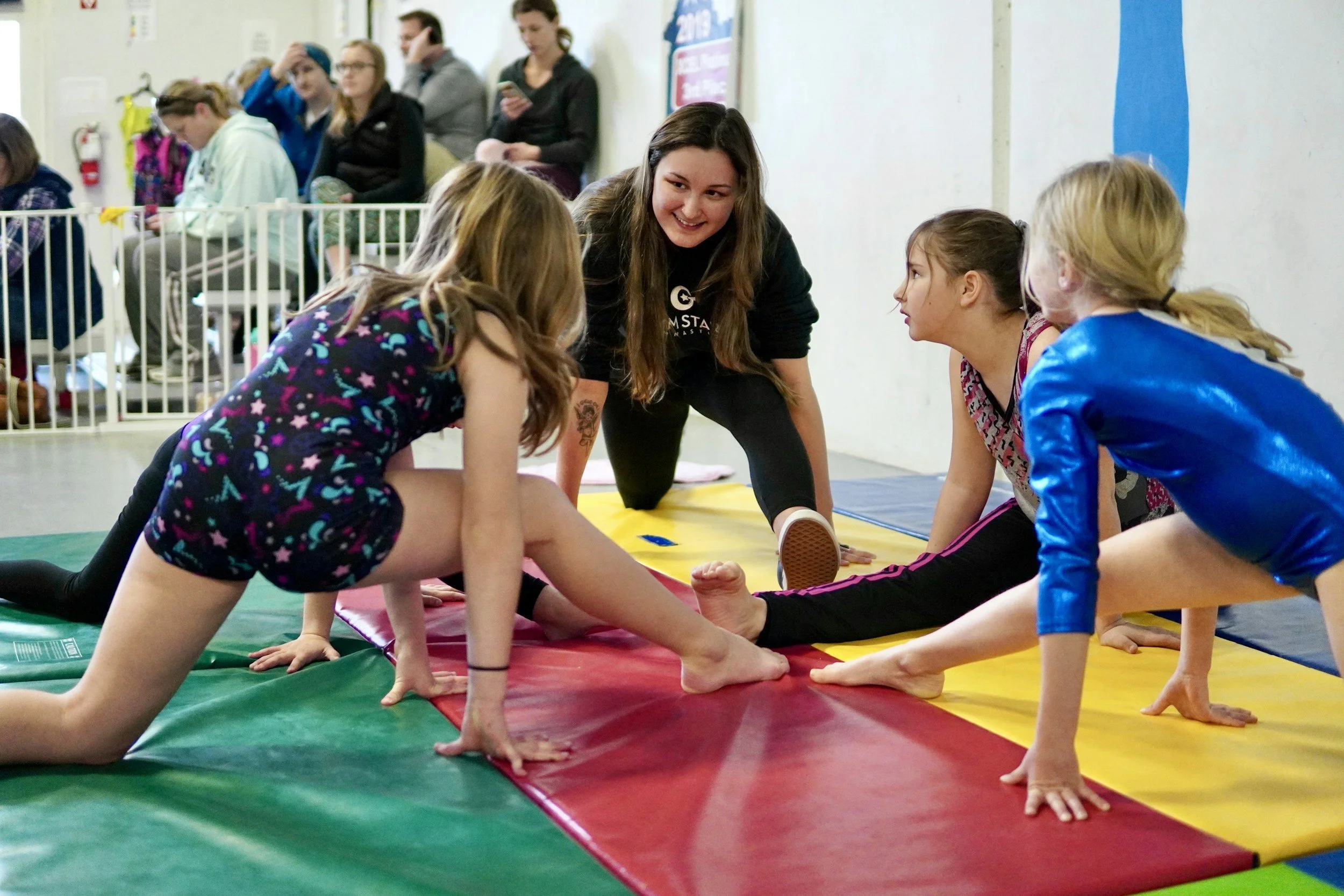
Pediatric Physical Therapy
Helping infants, children, and teens in the Chattanooga area move, play, and grow with confidence.
What Is Pediatric Physical Therapy?
Physical therapy isn't just for injuries. Pediatric PT helps kids build the movement skills they need to explore their world, keep up with peers, and feel good in their bodies — from rolling and crawling to running, jumping, and beyond.
We Help With:
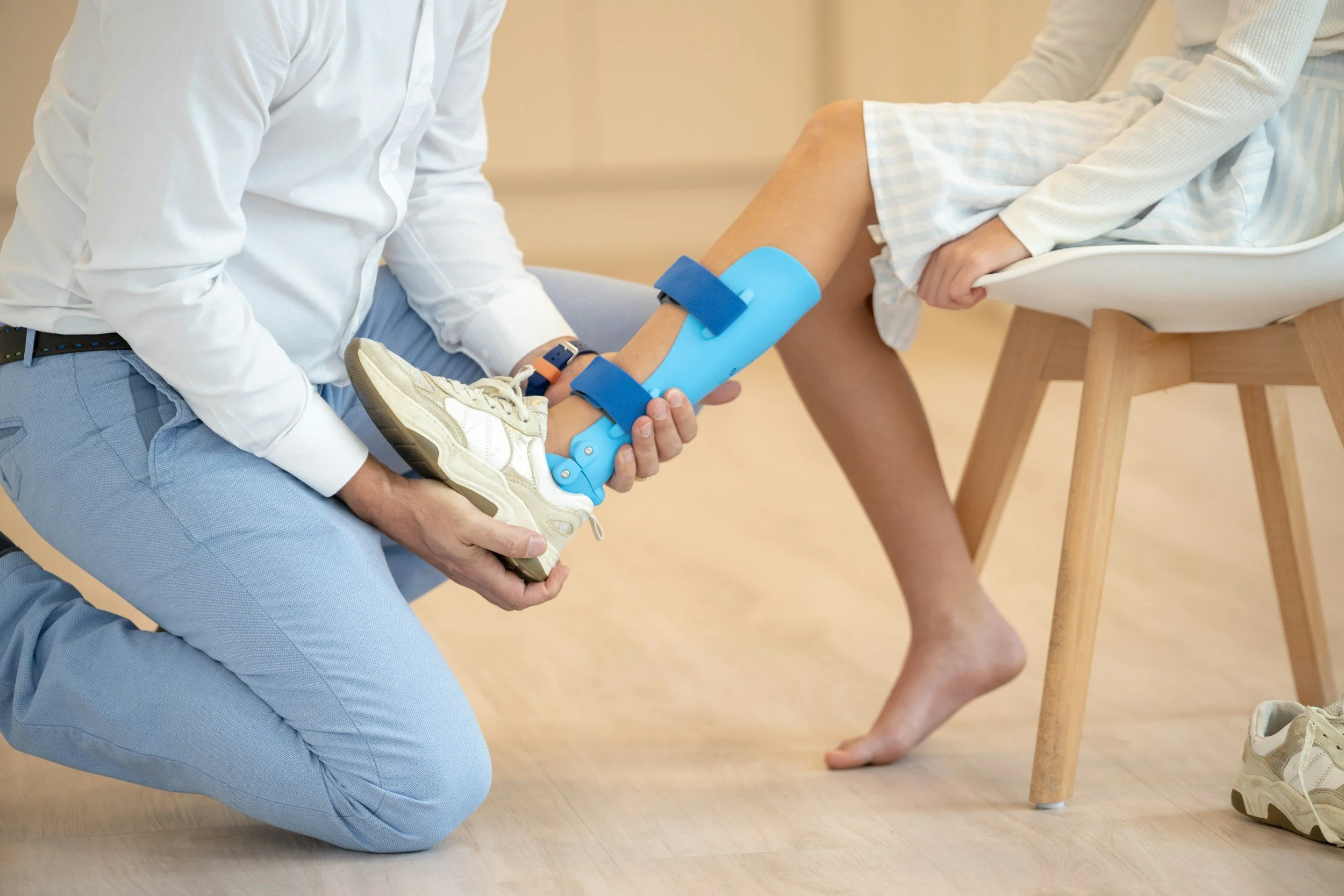
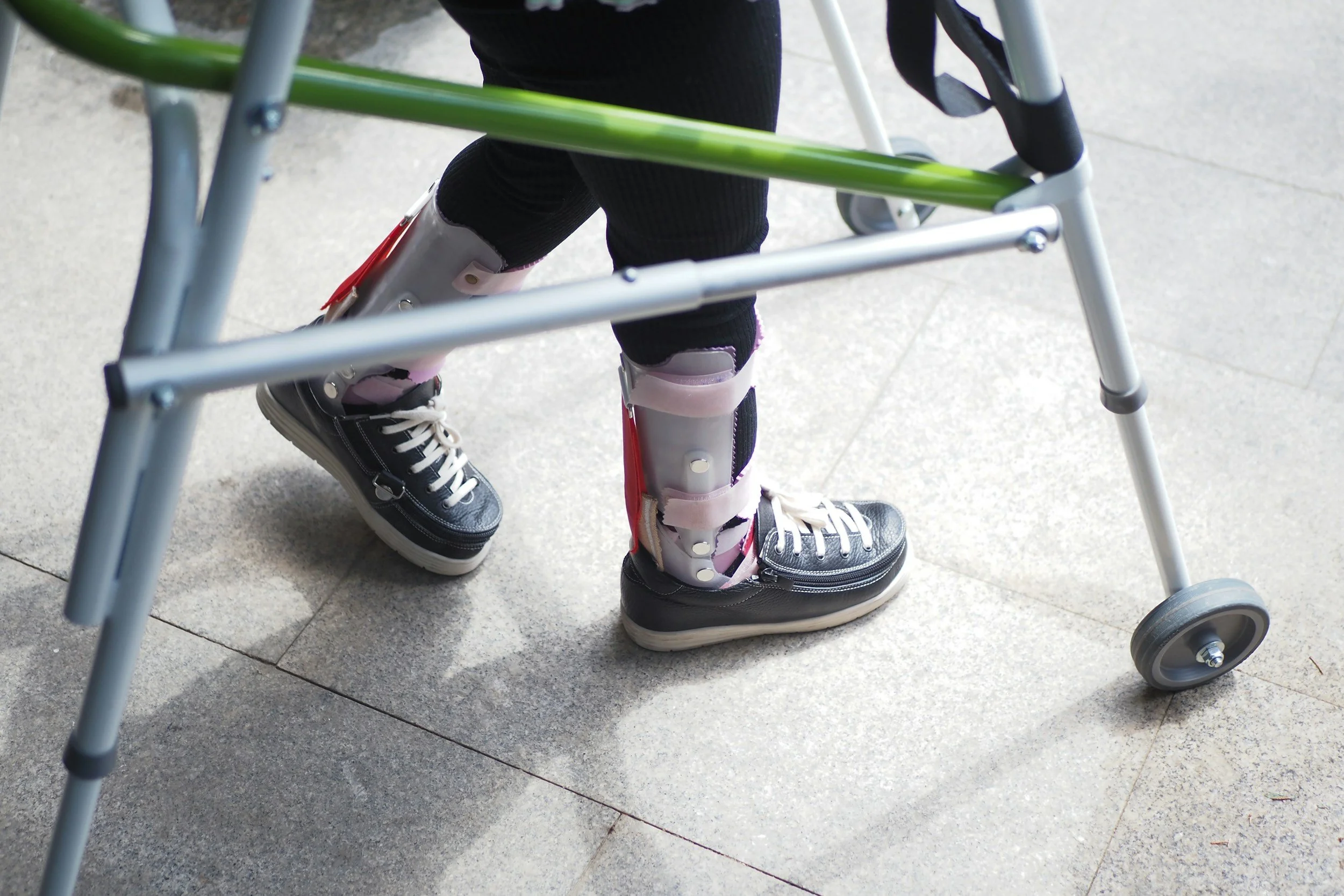
Gross motor skills · Developmental delays and missed milestones · Torticollis, plagiocephaly, and flat spots · Hypermobility, EDS, and connective tissue disorders · Cerebral palsy and genetic conditions · Autism and ADHD-related motor challenges · Toe-walking, frequent falls, and coordination difficulties · Orthopedic conditions, injuries, and post-surgical rehab
What are “Gross Motor Skills”?
You often hear that Physical Therapy addresses “Gross Motor Skills,” but what does this term even mean? “Gross Motor” refers to activities that require large muscle groups, coordination, strength, and whole body movements. In contrast, “Fine Motor Skills” are typically addressed by Occupational Therapy and involve things like handwriting or stringing beads.
Examples of Gross Motor Skills for Young Children Include:
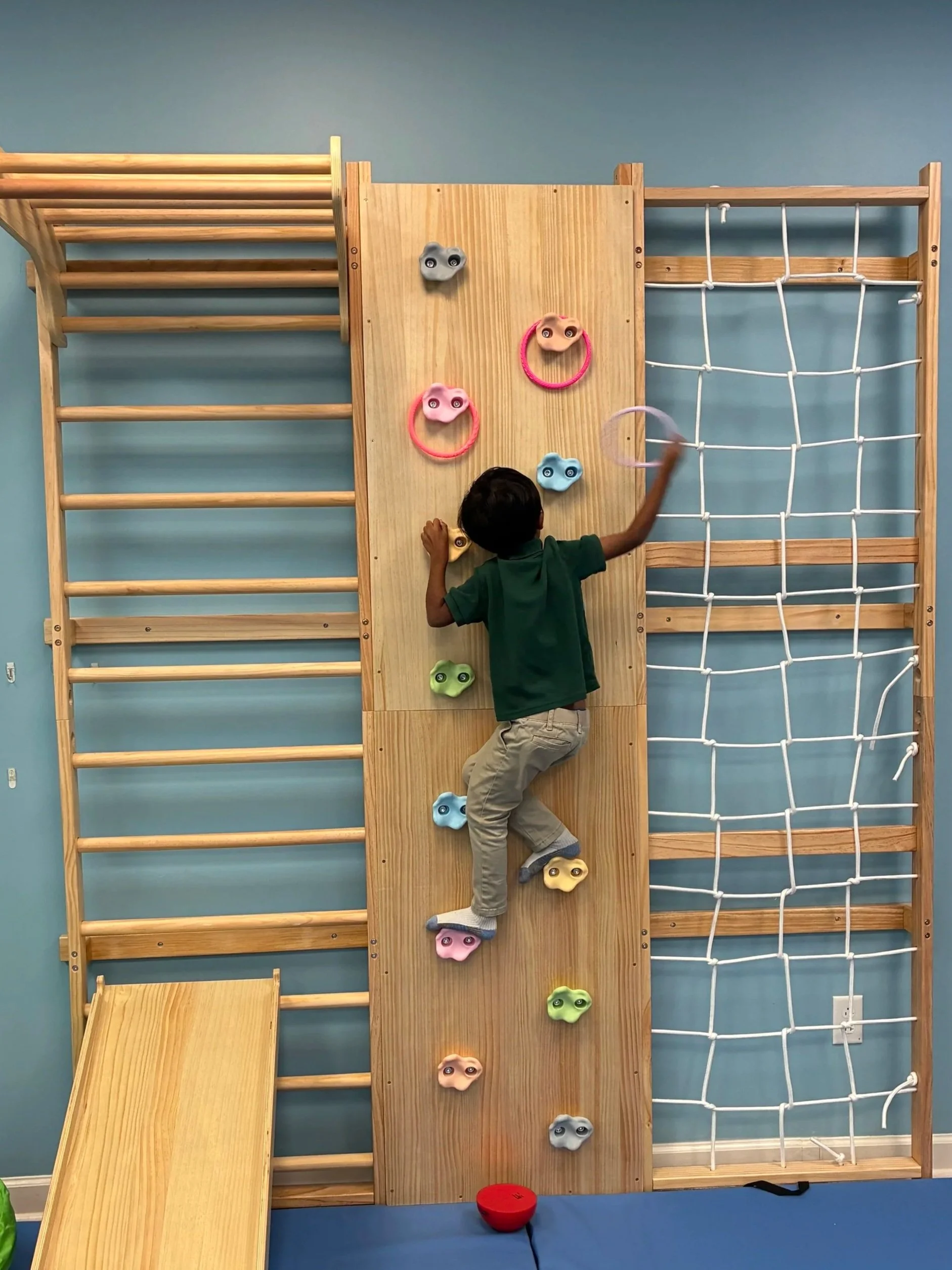
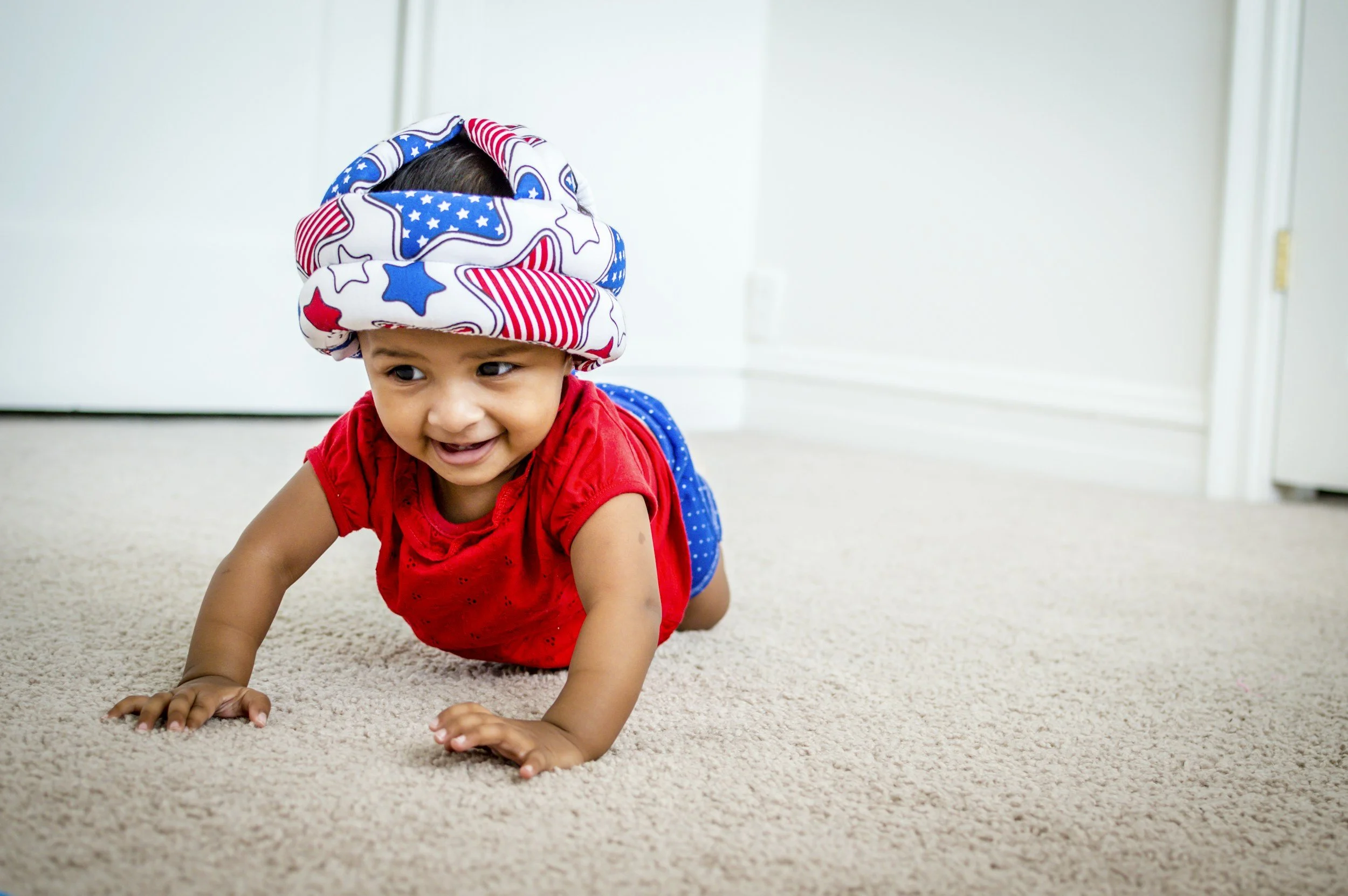
Holding up the head · Rolling · Crawling · Sitting · Standing · Coordination · Walking · Jumping · Bouncing a Ball · Riding a bike · Balance · Strength
Not sure if PT fits? We’re happy to help you figure it out!

Our Approach
Every session is play-based, family-centered, and built around your child's strengths. We look at the whole picture — strength, coordination, balance, sensory processing, and motor planning — and tailor therapy to what actually matters for your child's daily life.
Our Training
Specialized training includes Dynamic Movement Intervention (DMI) Introductory Level A, Masgutova Neurosensorimotor Reflex Integration (MNRI) Dynamic and Postural Reflex Integration, and participating in the EDS ECHO program for allied health professionals, which focuses on care for patients with Hypermobility Spectrum Disorders (HSD) and Ehlers-Danlos Syndrome (EDS).
Signs Your Child May Benefit
Infants & Toddlers: Not meeting milestones (rolling, sitting, crawling, walking) · Prefers one side · Dislikes tummy time · Head tilt or flat spot · Born early or had a complicated delivery
Kids & Teens: Falls a lot or seems clumsy · Avoids physical activity · Tires easily · Chronic pain, poor posture, or "growing pains" · Very flexible but hurts or feels unstable · History of concussion or surgery
If something feels off, earlier is better.
We're here to help.